Governance, ownership, and the support model that keeps it working after launch.
Most conversations about automation fixate on the build, which process and which tool and how long to stand it up. That is the easy part, and it is not where things usually fall apart. The harder question, and the one that decides whether any of this frees your people for good, is what happens after the launch. A widely cited finding holds that a large share of automation efforts stall within the first year, and the technology is rarely what caused the stall. The conditions around it were, and the useful thing about conditions, is that most of them can be arranged in advance.
Someone must own it
Automation that lacks clear ownership, a person or small group accountable for delivery. Rather than merely launching when something changes, which always occurs, they are the ones who notice and adjust. The efforts that go unnoticed are the ones that are the most important. It runs, a process shifts, it breaks a little, and because nobody owns it nobody fixes it, so within months people route around it and you are back where you started, now with a tool nobody trusts.
Leadership has to want it
There is a difference between leadership approving automation and leadership backing it. Approval is a budget line. Backing means the people closest to the work understand why this is happening, that it is meant to lift them off the tedious parts rather than thin in the ranks, and that the message comes from the top clearly enough that no one must guess at intent. This matters most with your best people. If automation arrives looking like a threat, they defend their territory and adoption of stalls; if it arrives honestly framed as a tailwind, something to carry the work that was wearing them down, they become the ones who help it succeed. That framing is not spinning; it is the difference between people leaning in and people quietly resisting.
It must survive contact with reality
Real processes are messier than the tidy version that gets automated. They have exceptions, odd cases, the thing that only happens at quarter end, and automation that assumes a clean world breaks the first time the real one shows up, with each break chipping at trust until people stop relying on it. The durable approach plans for exceptions from the start, keeps a person in the loop where judgment is needed, and includes a real support model for the day something changes. Ask of any approach you weigh what happens when the input is unusual, who watches whether this still works, and how does it get adjusted when the process moves. If those questions get waved off, the build will not last no matter how clean the demo looked.
You should be able to see it working
The last condition is visibility, and it is the one most often skipped. If you cannot see what the automation is doing and what it is returning, you cannot trust it, defend its budget, or notice when it has drifted. This is where many providers stop and where the difference shows: the efforts that endure put their results in plain view, a dashboard a leader can glance at, so the value is visible in real numbers and the moment something slips is obvious. What you can see, you can keep; what runs in the dark gets quietly abandoned.
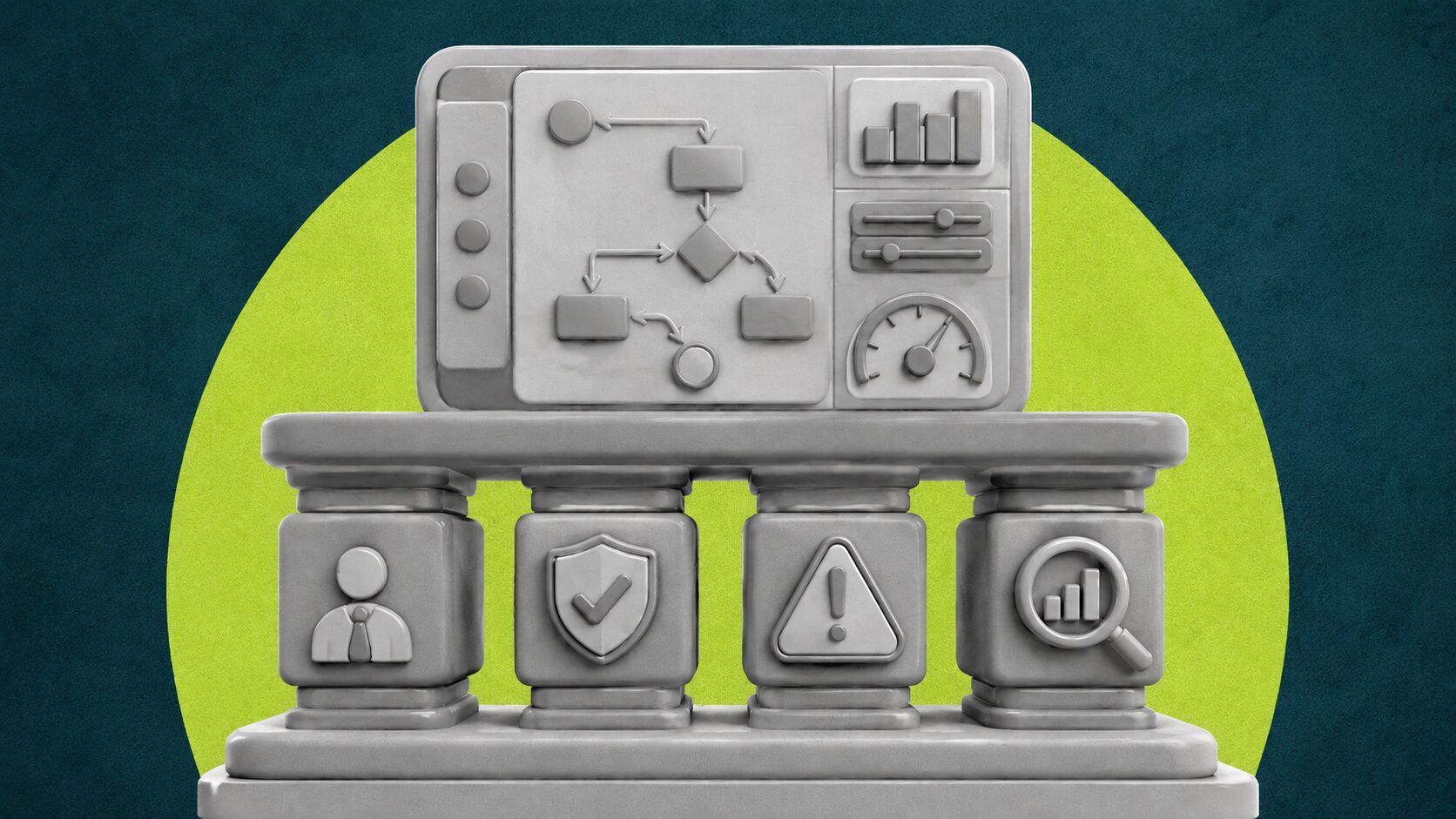
Put the four together, an owner, honest leadership backing, a design that expects the messy real world, and visibility into results, and you have most of what separates automation that lasts from automation that stalls. None of it is about the tool; all of it is about the conditions you set around it. Which leaves the honest question of timing, since knowing what must be true is not the same as having it in place, and getting there starts with a clear look at where you stand today.
Your next step
Knowing what must be true is not the same as knowing where you stand, and a smart business analysis is the clear-eyed look that closes that gap before you build anything. It is a two-week program that examines how work moves across your whole operation and shows you, with real numbers, where the conditions are right to start.
Here is what to expect. Over two weeks the team reviews how work moves through your organization, identifies the tasks preoccupying the most time, and calculates the return on investment for each opportunity so you can see real numbers, not promises. You leave with a ranked view of where to start and what it is worth, and you decide what happens next.